I first started tracking my reading in 2010. Since that time, I've read more than 1,000 books. Yearly, I've posted my top books of the year, but I thought as we are on the cusp of a new decade, I should post my top 10 reads of the decade (along with 30 runners up).
1. The Art of Hearing Heartbeats by Jan-Philipp Sendker. One of the most beautiful love stories I've read. I was immediately fascinated by the story of a young woman searching for her missing father in his native Burma and with the story of her father's childhood and great love. The audio book is beautifully read.
2. Erin Morgenstern's The Night Circus, which is read by the fabulous Jim Dale, is a truly enchanting story. I found it reminiscent of the movie "The Prestige," where two young magicians compete against each other in what becomes a battle of life or death.
3. Being Mortal is probably the most important book I read this decade, changing the way I thought about medical care and death. I truly believe this should be required reading for all humans.
4. Another non-fiction selection, The Book of Joy changed the way I think about happiness vs. joy and how to find joy in life. For five days, two of the greatest religious leaders of our time (and close friends) shared their thoughts on finding joy despite a life that includes suffering. Their overall message? Relationships with others are paramount and joy comes through relationship.

5. I have three great reading loves - historical fiction, nonfiction, and young adult fiction. The Hunger Games series tops by young adult reads this decade. A primer on what government should never be. et in America far in the future, the country has been divided into 12 Districts with the Capitol in the Rockies. Because of a rebellion almost 75 years in the past, each district must send two children as tributes to the Captiol each year to compete in the Hunger Games. Only 1 of the 24 children will survive the competition to the death. Widely televised, the Hunger Games provide entertainment to those in the Captiol and a reminder to those in the Districts of the price of rebellion. I loved the characters in this book, but particularly the protagonist, Katniss Everdeen. While I enjoyed the whole series, this was my favorite of the three books.

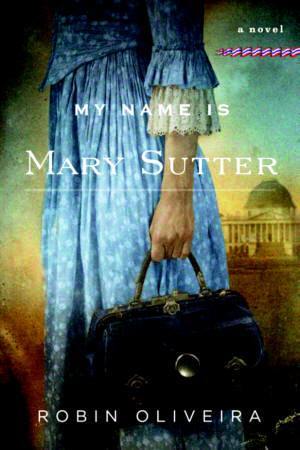
6. My Name is Mary Sutter is set during the Civil War, telling the story of Mary Sutter, who is determined to nove beyond her role as a midwife and become a doctor. Women's empowerment!
7. Echo was the 2016 Newbery Honor book. I knew the author from some simple chapter books Lily loved about Tony Baloney the macaroni penguin, and while those books were fun, I wasn't sure what to expect from Echo. A single harmonica makes its way across the world to change the course of three young lives. A simply beautiful story.
8. Angie Thomas' The Hate U Give focuses on the aftermath of the shooting of an unarmed black youth by a white police officer. A very timely and important read.
9. I've read all of Robert Dugoni's Tracy Crosswhite thriller series, starting with
My Sister's Grave, and have always enjoyed them. Tracy Crosswhite is a Seattle police officer whose sister was murdered while they were teenagers. While that entire series is worth reading, nothing about them prepared me for Sam Hell. This book reminded me of
A Prayer for Owen Meany, one of my all-time favorites. Sam is born with ocular albinism, which makes his eyes appear red. The book follows his life from childhood to his work as a doctor. I loved the characters and was sad to leave them at the end of the book.
10. Adverse Childhood Experiences (or ACEs) and trauma impact health for a lifetime. More than 20 years after the initial study correlating trauma with long-term negative health consequences, research is finally emerging on how to counteract these impacts as an adult. Dr. Burke Harris has an amazing TED talk on ACEs if you are interested!
Runners up by category
Fiction
The Institute by Stephen King
The Forgotten Garden by Kate Morton
The Dovekeepers by Alice Hoffman
The Nightingale by Kristin Hannah
Small Great Things by Jodi Picolut
Homegoing by Yaa Gyasi
The Tea Girl of Hummingbird Lane by Lisa See
The Storyteller's Secret by Sejal Badani
Cemetery Road by Greg Iles
Young Adult Fiction
Circus Mirandus by Cassie Beasley
Because of Mr. Terupt by Rob Buyea
Wonderstruck by Brian Selznick
Far from the Tree by Robin Benway
The Night Diary by Veera Hiranandani
On the Come Up by Angie Thomas
Forever or a Long Long Time by Caela Carter
The Language of Flowers by Vanessa Diffenbaugh
Fiction Series
Bill Hodges trilogy (Mr. Mercedes, Finders Keepers, and End of Watch) by Stephen King
The No. 1 Ladies Detective Agency series by Alexander McCall Smith
Natchez Burning trilogy by Greg Iles
Mary Russell/Sherlock Holmes series by Laurie R King
FBI Profiler series by Lisa Gardner
Ruth Galloway series by Elly Griffiths
Nonfiction
A Secret Gift by Ted Gup
Maybe You Should Talk to Someone by Lori Gottlieb
The Distance Between Us by Renya Grande
Zeitoun by Dave Eggers
My Beloved World by Justice Sonia Sotomayor
Becoming by Michelle Obama
Evicted by Matthew Diamond
Wishing you a decade of great reading!


.jpg)


.jpg)